



In today's industrial landscape, separation and purification processes play a pivotal role in ensuring the quality, purity, and efficiency of countless products across various industries. A crucial player in these processes is the solvent extraction mixer-settler, a versatile unit employed for liquid-liquid extraction. This article explores the multifaceted contributions of solvent extraction mixer-settlers to industries and the principles that underlie their operation.
II. Principles of Solvent Extraction in Mixer-Settlers
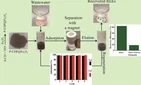
At its core, solvent extraction in mixer-settlers is based on the principle of liquid-liquid extraction. This technique relies on the distribution of solute molecules between two immiscible liquid phases – typically an aqueous phase and an organic phase. The solute is selectively transferred from one phase to the other, allowing for efficient separation and purification.
Mixer-settler units consist of key components such as mixing chambers, settler tanks, and phase separation mechanisms. The mixing chamber facilitates intimate contact between the two liquid phases, enabling mass transfer. The settler tank allows the phases to separate by gravity, with the lighter phase rising to the top and the heavier phase settling at the bottom.
III. Applications in the Chemical Industry
The chemical industry benefits immensely from solvent extraction mixer-settlers. They are employed in various processes, including the separation of organic compounds, purification of chemicals, and recovery of valuable substances from waste streams.
Separation of Organic Compounds: In the production of chemicals, solvent extraction can effectively separate and isolate specific organic compounds. For example, it is utilized to separate aromatics from hydrocarbon streams or extract valuable chemicals like phenol from wastewater.
Purification of Chemicals and Pharmaceuticals: Mixer-settlers are integral in purifying chemicals and pharmaceuticals by removing impurities or unwanted by-products. They ensure the final product meets stringent quality standards.
Recovery from Waste Streams: Many industries generate waste streams containing valuable substances. Solvent extraction provides a sustainable means of recovering these valuable components, reducing waste, and promoting environmental responsibility.

IV. Applications in the Metallurgical Industry
The metallurgical industry heavily relies on solvent extraction mixer-settlers for the extraction, refining, and purification of metals. This application extends to both primary production and recycling processes.
Extraction of Metals from Ores: Solvent extraction is instrumental in the recovery of metals from ores. Copper, for instance, is often extracted from its ore using mixer-settler units.
Refining and Purification of Metals: In the refining of metals, impurities are removed to enhance the purity of the final product. Mixer-settlers are crucial for achieving the desired level of purity.
Environmental Considerations: Mixer-settler technology in metallurgy also contributes to environmental sustainability by reducing the environmental impact of metal extraction and processing. It allows for the efficient recovery of valuable metals from electronic waste and other secondary sources.
V. Environmental and Economic Benefits
Solvent extraction mixer-settlers offer significant environmental and economic advantages for industries:
Reduction of Waste and Pollution: By efficiently separating and purifying substances, these units reduce waste generation and minimize pollution, aligning with sustainability goals.
Cost-Effectiveness in Resource Recovery: Solvent extraction often proves more cost-effective than alternative separation methods, particularly when valuable substances need to be recovered.
Sustainability in Industrial Operations: The use of mixer-settler technology supports sustainable industrial operations by conserving resources, minimizing environmental impact, and optimizing processes.
VI. Operational Parameters and Optimization
Efficient operation of solvent extraction mixer-settlers requires careful consideration of various operational parameters:
Flow Rates, Temperature, and Solvent Selection: The choice of solvent, flow rates, and temperature are critical factors affecting separation efficiency. Optimizing these parameters ensures the desired outcomes.
Control Systems and Automation: Modern mixer-settlers often incorporate advanced control systems and automation, enhancing precision and reducing human error in operation.
Safety Precautions and Regulatory Compliance: The safe operation of mixer-settler units is paramount. Compliance with industry-specific regulations and safety protocols is essential to prevent accidents and environmental harm.
VII. Recent Innovations and Advancements
Advancements in solvent extraction mixer-settler technology have been remarkable in recent years:
Improved Efficiency and Selectivity: Ongoing research and development efforts have led to improved mixer-settler designs, resulting in higher separation efficiency and selectivity.
Green Solvent Alternatives: The development of environmentally friendly solvents has gained prominence, aligning with the global push for greener technologies.
Integration with Other Separation Techniques: Mixer-settlers are increasingly integrated with other separation methods such as membrane filtration or chromatography, enhancing overall process efficiency.
VIII. Case Studies
Real-world examples illustrate the impact of solvent extraction mixer-settlers:
Mining and Minerals: The mining industry employs mixer-settler units for the extraction of rare earth elements, contributing to the development of clean energy technologies.
Pharmaceuticals: In pharmaceutical manufacturing, mixer-settlers are crucial for isolating and purifying active pharmaceutical ingredients.
Electronics Recycling: Mixer-settler technology plays a pivotal role in recycling precious metals from electronic waste, reducing the environmental footprint of electronics manufacturing.
IX. Future Trends and Challenges
The future of solvent extraction mixer-settlers is characterized by:
Emerging Technologies: Continued innovation in solvent extraction techniques and materials.
Environmental Regulations: Adapting to evolving environmental regulations and sustainability standards.
Industry-Specific Developments: Tailoring mixer-settler solutions to meet the unique needs of different industries.
X. Conclusion
In conclusion, the solvent extraction mixer-settler is an indispensable tool that contributes significantly to separation and purification processes across diverse industries. Its role in the chemical and metallurgical sectors, coupled with its environmental and economic benefits, highlights its importance in modern industrial operations. With ongoing advancements and increasing emphasis on sustainability, mixer-settler technology will continue to shape the future of industrial separation and purification processes.