

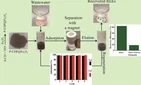



Environmental remediation is a critical endeavor aimed at mitigating the detrimental impacts of water and soil contamination. Mixer Settler Units play a pivotal role in this process, offering efficient separation and removal of pollutants. This comprehensive industry knowledge outline delves into the intricacies of Mixer Settler Units, their principles, applications, advantages, challenges, case studies, and future trends.
II. Background on Pollution Issues A. Types and Sources of Water and Soil Contamination Contaminants can originate from industrial discharges, agricultural runoff, improper waste disposal, and various other sources. Common pollutants include heavy metals, organic compounds, and hazardous chemicals. B. Environmental and Health Implications of Pollution Water and soil contamination pose grave threats to ecosystems, wildlife, and human health. Contaminants can infiltrate groundwater, compromise crop quality, and lead to severe health issues when consumed or inhaled.
III. Working Principles of Mixer Settler Units A. Basic Principles Mixer Settler Units rely on liquid-liquid extraction, a process that exploits the differences in solubility between contaminants and extraction solvents. B. Equipment Construction and Components These units consist of mixing chambers, settlers, and various ancillary components such as pumps, valves, and instrumentation. C. Operating Process Polluted water or soil is mixed with an extraction solvent, allowing the contaminants to partition into the solvent phase. The mixture is then allowed to settle, facilitating phase separation.
IV. Applications in Environmental Remediation A. Treatment of Polluted Water
Collection and Pretreatment of Contaminated Water Contaminated water is collected from source points and pretreated to remove particulate matter and unwanted impurities.
Separation and Removal of Contaminants Mixer Settler Units facilitate the efficient extraction and separation of contaminants, leaving behind purified water.
Post-treatment and Waste Management The extracted pollutants are separated from the extraction solvent, and appropriate disposal or treatment methods are employed. B. Remediation of Contaminated Soil
Collection and Pretreatment of Contaminated Soil Contaminated soil is excavated and pretreated to enhance the extraction process.
Extraction and Contaminant Separation The soil is mixed with an extraction solvent in Mixer Settler Units, allowing contaminants to dissolve into the solvent phase.
Post-treatment and Waste Management After extraction, the contaminants are separated from the solvent, and the soil is treated or disposed of responsibly.
V. Advantages of Mixer Settler Units in Environmental Remediation A. High Efficiency in Separation and Removal The equipment's design and operating principles ensure effective separation and removal of pollutants. B. Applicability to Various Pollutants Mixer Settler Units can be tailored to handle a wide range of contaminants, from heavy metals to volatile organic compounds. C. Process Control and Adjustability Operators can fine-tune the extraction process to optimize contaminant removal. D. Waste Reduction Efficient separation minimizes the generation of hazardous waste, contributing to environmental sustainability.
VI. Challenges and Mitigation Measures A. Complex Pollutant Handling Challenges Certain contaminants may present challenges in terms of solubility or emulsification, necessitating specialized extraction techniques. B. Equipment Maintenance and Operation Regular maintenance and proper operation are essential to ensure the longevity and reliability of Mixer Settler Units. C. Environmental Regulations and Compliance Compliance with environmental regulations is crucial to avoid legal repercussions and ensure responsible waste management.
VII. Successful Case Studies A. Polluted Water Treatment Case Studies
Removal of Heavy Metals from Industrial Effluents
Remediation of Contaminated Groundwater at a Former Chemical Plant B. Soil Remediation Case Studies
Cleanup of an Abandoned Oil Refinery Site
Restoration of Agricultural Land Contaminated with Pesticides
VIII. Future Trends A. Technological Advancements and Innovations Continuous research and development efforts aim to improve Mixer Settler Units' efficiency, cost-effectiveness, and environmental impact. B. Sustainability and Green Practices The industry is increasingly focused on sustainable and environmentally friendly remediation methods.
IX. Conclusion Mixer Settler Units are invaluable tools in the field of environmental remediation, offering efficient solutions for the treatment of contaminated water and soil. Their adaptability, efficiency, and waste-reduction capabilities make them indispensable in addressing pollution issues. As technology evolves, Mixer Settler Units are expected to play an even more significant role in safeguarding our environment.