


I. Introduction
A. Introduction to PVC Micro Mixer Settler
In the realm of liquid-liquid separation and phase separation, It emerges as a versatile and compact solution designed to meet the demands of both industrial and laboratory applications. In this comprehensive product introduction, we delve into the intricacies of it, highlighting its exceptional features, applications, design, operation, and much more.
B. Significance in Industries
It plays a pivotal role in industries where the precise separation of different components within liquid mixtures is essential. Its unique design, material choice, and adaptability bring forth a new level of performance, economy, and convenience. The equipment excels in maintaining the purity of substances, streamlining processes, and contributing to sustainable practices.
C. Outline of the Product Introduction
This product introduction follows a structured outline to provide a comprehensive understanding of it. We commence with a definition and explanation of the equipment's fundamental principles, followed by a detailed exploration of its key features and advantages. We then present real-world applications in various industries, showcasing the versatility of this equipment. The design and structure, operation and control, customization options, maintenance guidelines, and safety and environmental considerations are all discussed in depth. The conclusion summarizes the key takeaways and encourages interested parties to reach out for more information and support.
II. Product Overview
A. Defining PVC Micro Mixer Settler
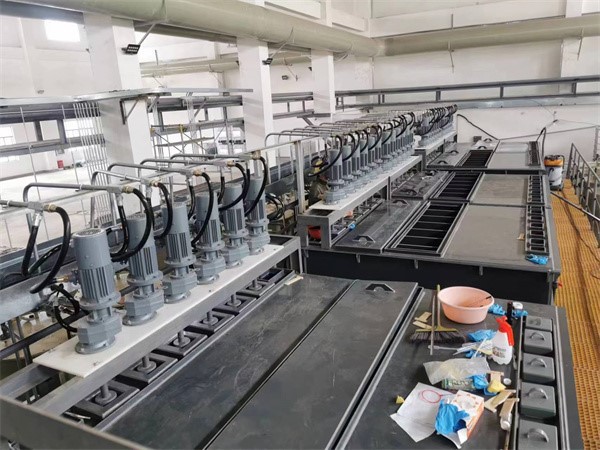
The PVC Micro Mixer Settler, often referred to as the "Micro Mixer Settler," represents a technological innovation in the field of liquid-liquid separation equipment. This compact solution combines mechanical mixing and gravitational settling within a single integrated structure. At its core, it is designed to efficiently and precisely separate different components within liquid mixtures, and it is employed across a spectrum of industries for applications involving chemical processing, environmental protection, and laboratory research.
B. Working Principles and Purpose
It operates on a set of fundamental principles that underlie its importance in industrial processes:
Mechanical Mixing: The equipment initiates the separation process by mechanically mixing the liquid mixture. This is achieved through a well-engineered mixing mechanism that typically incorporates impellers or blades. Mechanical mixing ensures an even distribution of components throughout the liquid, setting the stage for separation.
Gravitational Settling: After mechanical mixing, the liquid mixture is directed into the settling chamber, where gravitational settling comes into play. The chamber is thoughtfully designed to promote the separation of components based on their density differences. Heavier components gravitate toward the bottom of the chamber, while lighter components remain in the upper layers.
Extraction: Once the gravitational settling process is complete, the separated components can be efficiently extracted from the settling chamber. The result is a purified solution, with unwanted components and impurities left behind. This precision is crucial in industries where product purity and process efficiency are non-negotiable.
The primary purpose of it is to streamline and enhance the separation process, ensuring that the desired component is effectively extracted from the liquid mixture, while impurities and unwanted substances are efficiently removed. This is particularly significant in industries where precise separation is essential for maintaining product quality and process integrity.
III. Key Features and Advantages
A. Compact Design and Portability
The PVC Micro Mixer Settler distinguishes itself through its compact design, making it particularly suitable for applications where space is limited. Its micro-sized structure allows it to be easily integrated into existing systems, and its portability adds an extra layer of convenience for laboratory settings. The compact design doesn't compromise on performance and ensures a smaller footprint in industrial processes.
B. PVC Material Properties
The exceptional performance of it is largely attributed to its choice of materials, specifically the use of PVC. PVC offers a multitude of advantages that contribute to the equipment's outstanding performance:
1. Corrosion Resistance: PVC is highly resistant to corrosion, making it an ideal choice for applications involving aggressive chemicals and corrosive environments.
2. Lightweight and Durable: PVC's lightweight nature doesn't sacrifice durability, ensuring the equipment can withstand the rigors of industrial use while being easy to handle in laboratory settings.
3. Versatility: PVC is known for its versatility in different environments. It can be employed in a wide range of pH levels, providing flexibility in application.
4. Cost-Effective: PVC is an economical material choice, making it a cost-effective solution for various separation processes.
C. Precise Separation
One of the standout features of it is its ability to achieve precise separation. The compact design and efficient mechanical mixing ensure that components are uniformly distributed throughout the liquid mixture, setting the stage for effective gravitational settling. The equipment excels in achieving clear phase separation, maintaining product purity, and preventing the re-mixing of separated components.
D. Ease of Operation
The PVC Micro Mixer Settler's user-friendly design simplifies operation. It can be easily integrated into existing processes, and its small footprint is especially advantageous in laboratory settings. The compact design doesn't compromise on performance; it enhances ease of use.
E. Economical and Energy-Efficient
The equipment's micro-sized design translates to economic advantages. It requires less space and energy, reducing operational costs. Its energy-efficient operation aligns with the growing emphasis on sustainability in industrial processes.
IV. Applications
A. Industrial Applications
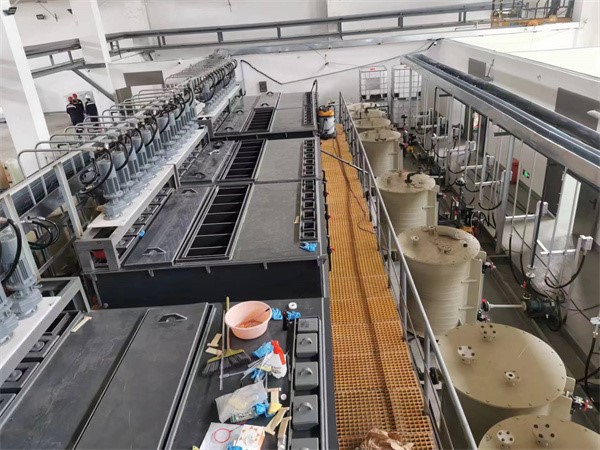
It finds extensive use in industrial settings where liquid-liquid separation is critical for maintaining product quality and process efficiency. Some of the key applications in the industrial sector include:
1. Chemical Processing: The equipment is widely employed in the chemical industry for solvent extraction, purification of chemical compounds, and the separation of valuable components from complex mixtures.
2. Environmental Protection: In industries focused on wastewater treatment and pollution control, the PVC Micro Mixer Settler aids in the separation of contaminants, ensuring environmentally safe effluent discharge.
3. Mining and Mineral Processing: The equipment is utilized in mining and metallurgical industries for the separation and purification of minerals and metals from ore.
4. Food and Beverage: In the food and beverage industry, it contributes to applications such as fat and oil separation in food processing.
B. Laboratory and Research Applications
In laboratory and research settings, It serves as an invaluable tool for scientists and researchers conducting experiments and studies in various fields. Some notable applications include:
1. Biotechnology and Biochemistry: In biotechnology and biochemistry, the equipment is used for the separation and purification of biomolecules, proteins, nucleic acids, and other biologically derived substances.
2. Analytical Chemistry: The equipment supports analytical chemistry experiments, enabling researchers to perform precise sample preparations for analysis.
3. Academic Research: It plays a crucial role in academic research across disciplines, facilitating experiments related to phase separation, chemical reactions, and liquid-liquid extraction.
V. Design and Structure
A. Mixer Settler Components
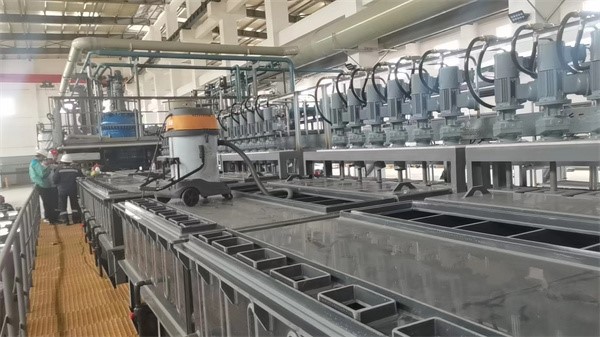
The PVC Micro Mixer Settler is characterized by a set of essential components that collectively enable its efficient operation. Let's take a closer look at these components:
1. Mixing Mechanism: At the heart of it is the mixing mechanism. This component is responsible for ensuring the thorough and even distribution of components within the liquid mixture. Common mixing mechanisms include impellers or blades, strategically positioned to create turbulence in the mixture.
2. Settling Chamber: After mechanical mixing, the liquid mixture is directed into the settling chamber. The settling chamber is designed to facilitate the gravitational settling of components based on their density differences. It's typically a cylindrical structure, with dimensions that can vary depending on the specific application.
3. Outlets and Ports: It is equipped with strategically positioned outlets and ports for the extraction of separated components. These outlets ensure the efficient removal of the desired component while leaving impurities and other components behind.
4. Support Structure: The equipment is mounted on a sturdy support structure, often constructed from corrosion-resistant materials. This structure ensures stability during operation and facilitates ease of maintenance.
B. Layout and Configuration
The layout and configuration of it are carefully designed to optimize the separation process:
1. Mixing Chamber: The mixing chamber is typically located at the top of the equipment. This is where the mechanical mixing takes place. The mixing chamber houses the mixing mechanism, which is driven by a motor for efficient blending of components.
2. Settling Section: Beneath the mixing chamber lies the settling section, often a cylindrical chamber. This section allows for gravitational settling, with heavier components migrating towards the bottom of the chamber and lighter components remaining in the upper layers.
3. Extraction Ports: Extraction ports are strategically located to facilitate the removal of the separated components. Careful placement ensures efficient extraction while preventing the re-mixing of separated materials.
4. Compact Design: The compact design of it allows it to be easily integrated into existing systems or laboratory setups, contributing to efficiency and convenience.
5. Durability and Corrosion Resistance: The equipment's construction from PVC ensures corrosion resistance, a crucial feature for its longevity and reliability in various industrial and laboratory environments.

VI. Operation and Control
The PVC Micro Mixer Settler's operation and control mechanisms are designed to ensure precision and efficiency in the separation process. The equipment can be operated manually or through various levels of automation, depending on the specific requirements of the application and the operator's preferences:
A. Manual Control
Manual control is often preferred when processes require a high degree of flexibility and adaptability. Operators have direct control over the equipment's operation, adjusting mixing speed and extraction processes as needed.
B. Semi-Automated Control
Semi-automated control systems provide a balance between manual control and full automation. These systems may include preset recipes for common processes, making it easier for operators to achieve desired results. Semi-automated control can enhance precision and reduce the likelihood of human error.
C. Fully Automated Control
Fully automated control systems provide the highest level of precision and repeatability. They often include advanced features, such as sensors for monitoring density and phase separation, as well as feedback mechanisms to adjust mixing speed in real-time. Fully automated control is ideal for processes requiring consistent and accurate separation.
D. Safety Interlocks
Safety interlocks are an essential feature of control systems for it. They ensure that the equipment operates within safe parameters and can include emergency shut-off mechanisms in case of anomalies. Safety is a top priority in industrial operations, and these interlocks provide an additional layer of protection.
E. Monitoring and Data Logging
Many control systems are equipped with monitoring and data logging capabilities. This allows operators to track the progress of the separation process and collect data for analysis and quality control. Real-time data monitoring enhances the operator's ability to make informed decisions during the separation process.
The choice of control system depends on the specific requirements of the application and the level of automation and precision needed. In some cases, a combination of manual and automated control may be the most effective approach.
VII. Customization Options
The PVC Micro Mixer Settler's flexibility and adaptability make it a valuable asset in various industries. Customization options allow users to tailor the equipment to their specific needs. Here are some key areas where customization is possible:
A. Size and Capacity
The size and capacity of it can be customized to match the requirements of the application. This is particularly important when dealing with different volumes of liquid mixtures and varying flow rates. Whether your operation is relatively small or demands high-capacity processing, there's a suitable solution available.
Customization in terms of size and capacity ensures that the equipment can handle the specific throughput of your industrial process. It prevents bottlenecks and ensures optimal efficiency.
B. Control Systems Customization
Control systems can be customized to match the operator's preferences and the specific requirements of the industrial process. This level of customization includes:
1. Automation Level: The degree of automation can be adjusted based on the complexity of the process and the operator's comfort with automation. You can choose from fully manual control to semi-automated and fully automated control systems.
2. Control Interface: The control interface can be customized to provide the operator with a user-friendly and intuitive experience. This includes touchscreen displays and user-friendly software.
3. Preset Recipes: For processes that are conducted regularly, preset recipes can be created and stored in the control system. This simplifies the operation and reduces the likelihood of errors.
C. Accessories and Add-Ons
Various accessories and add-ons can be incorporated into it based on the specific requirements of the application. Some common accessories and add-ons include:
1. Monitoring Systems: Advanced monitoring systems can be integrated into the equipment. These systems provide real-time data on parameters such as temperature, pressure, and phase separation.
2. Safety Features: Safety is a top priority in industrial operations. Safety features such as emergency shut-off systems, safety interlocks, and alarms can be added to the equipment to enhance workplace safety.
3. Data Logging and Reporting: Data logging capabilities can be included for compliance and quality control purposes. This allows operators to keep records of the separation process and generate reports for analysis.
Customization ensures that aligns perfectly with the unique needs of your industrial process. Manufacturers work closely with clients to determine the optimal configuration to achieve the desired results.
VIII. Maintenance and Servicing
Ensuring the proper maintenance of your PVC Micro Mixer Settler is essential for its longevity and continued efficient operation. Regular maintenance and servicing not only extend the lifespan of the equipment but also help in preventing unexpected downtime and maintaining the quality of separation. Here are some key maintenance considerations:
A. Routine Maintenance
Routine maintenance tasks should be performed at regular intervals to keep the equipment in optimal condition. These tasks include:
1. Cleaning: Regularly clean the mixer settler to remove any residue or build-up that may affect its performance. This includes cleaning the mixing mechanism and the settling chamber.
2. Lubrication: Ensure that all moving parts, such as bearings, are adequately lubricated to reduce friction and wear.
3. Inspection: Regularly inspect the equipment for signs of wear and tear, corrosion, or damage. Any issues should be addressed promptly to prevent further damage.
B. Periodic Checks
In addition to routine maintenance, periodic checks are essential to assess the overall condition of the equipment and identify any potential issues. These checks may include:
1. Mechanical Checks: Assess the condition of the mixing mechanism, checking for loose or damaged components that may affect its performance.
2. Material Integrity: Inspect the PVC material for any signs of degradation or wear. PVC is known for its resistance to corrosion, but it's still important to monitor its condition.
3. Electrical and Control Systems: Ensure that electrical components, such as motors and control systems, are functioning correctly. This includes verifying the operation of safety features.
C. Preventative Maintenance
Preventative maintenance involves more in-depth inspections and tasks to prevent potential issues from arising. It includes:
1. Replacing Wear Parts: Identify and replace any wear parts, such as seals, gaskets, or O-rings, to prevent leakage or performance issues.
2. Calibration: Calibrate sensors and instruments, particularly if the equipment is equipped with monitoring systems, to ensure accurate data collection and control.
3. Component Replacement: If modular components are part of the design, consider replacing specific components to improve performance or address wear and tear.
D. Spare Parts Availability
It's important to ensure the availability of spare parts to minimize downtime in case of unexpected failures. Manufacturers typically provide spare parts and components that are easily replaceable. It's advisable to keep a stock of critical spare parts on hand to address issues promptly.
E. Service Contracts
Some manufacturers offer service contracts that include routine maintenance, inspections, and servicing by trained technicians. Service contracts can be a convenient option for organizations looking to outsource maintenance tasks and ensure the continued optimal performance of their equipment.
IX. Safety and Environmental Considerations
A. Safety Precautions
Safety is paramount when working with industrial equipment like it. To ensure the safety of personnel and the integrity of the separation process, it's essential to follow safety precautions:
1. Training: Proper training should be provided to operators and maintenance personnel. They should be familiar with the equipment's operation and safety procedures.
2. Emergency Procedures: Clear emergency procedures should be established, including shut-off protocols in case of equipment malfunction or safety concerns.
3. Protective Gear: Personnel should be equipped with appropriate protective gear, including safety goggles, gloves, and protective clothing, when handling chemicals or working around the equipment.
4. Safety Interlocks: Ensure that safety interlocks are operational and that they can quickly shut down the equipment in case of emergencies.
B. Environmental Responsibility
In today's world, environmental responsibility is a growing concern for industries worldwide. That is designed with environmental responsibility in mind, making contributions through several avenues:
1. Efficient Separation
One of the primary ways the equipment contributes to environmental responsibility is through efficient separation. By effectively separating components, it reduces waste and minimizes the environmental impact. It ensures that valuable components are recovered, and impurities and waste materials are properly disposed of or treated. This not only preserves resources but also reduces the environmental footprint of industrial processes.
2. Material Choice
The choice of PVC material in the construction of it also aligns with environmental responsibility. PVC's resistance to corrosion and wear ensures the equipment's long lifespan, reducing the environmental impact over its lifecycle. Long-lasting equipment results in fewer replacements and less material waste.
3. Compliance with Regulations
The equipment is designed to comply with environmental regulations and standards. This includes ensuring that any effluents or byproducts of the separation process meet environmental guidelines. Compliance with these regulations is crucial in minimizing the environmental impact and ensuring responsible industrial practices.
4. Recycling and Waste Management
In certain applications, the PVC Micro Mixer Settler plays a central role in recycling and waste management efforts. It aids in the separation of recyclable materials from mixed waste streams, contributing to environmental sustainability and the circular economy.
Hot Tags: pvc micro mixer settler, China pvc micro mixer settler manufacturers, factory, PMMA Tube Type Mixer Settler, Pilot scale Laboratory Mixer Settler, PMMA Mixer Settler, PMMA Micro Mixer Settler, PVDF Mixer Settler, Titanium Mixer Settler


