I. Introduction
A. Introduction to PPH Mixer Settler
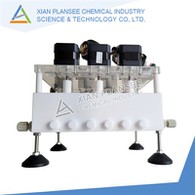
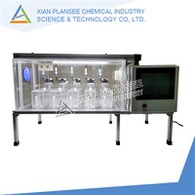
The PPH Mixer Settler is a cutting-edge industrial equipment used primarily in the chemical, metallurgical, and environmental industries. It plays a pivotal role in the separation of various components within liquid mixtures. This product introduction will delve into the intricate details of it, emphasizing its remarkable features, applications, design, operation, and much more.
B. Significance in Industries
It has gained immense importance in various industrial sectors due to its exceptional separation capabilities and robust construction. This equipment is instrumental in maintaining the purity of chemicals, metals, and other substances in demanding industrial processes. Let's explore this innovative solution and how it elevates the efficiency of various industries.
C. Outline of the Product Introduction
In this comprehensive product introduction, we will begin by providing an overview of it, explaining its fundamental operation and purpose. We will then delve into the main features and advantages of PPH, showcasing its corrosion resistance, high-temperature tolerance, and customization possibilities. We will also explore its application areas and highlight real-world case studies, followed by a detailed examination of the design and structure of the equipment. This will encompass the layout, crucial components, and how it all comes together. Moving on, we will discuss the operation and control of it, emphasizing its user-friendliness and efficiency optimization.
Additionally, we will provide insights into the available customization options to suit different requirements, maintenance and servicing guidelines to ensure a long lifespan for the product, and the safety and environmental considerations surrounding its use. Finally, we will summarize the key takeaways and invite potential customers to reach out for more information and support.
II. Product Overview
A. Defining PPH Mixer Settler
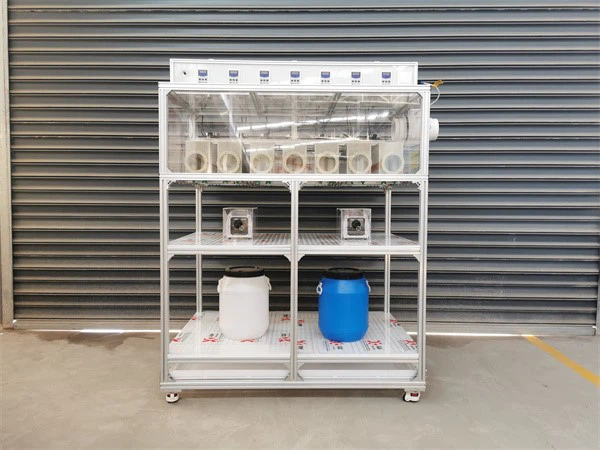
short for Polypropylene Hybrid Mixer Settler, is a highly specialized and innovative piece of equipment used in industries where liquid-liquid extraction and separation are critical processes. It is designed to efficiently separate different components within liquid mixtures, making it an invaluable asset in chemical, metallurgical, and environmental applications.
The heart of it is its ability to facilitate phase separation through a combination of mechanical mixing and gravitational settling. It ensures that the desired component is effectively extracted from the liquid mixture, while unwanted components are left behind. This results in a purified and separated output, which is a fundamental requirement in many industries.
B. Working Principles and Purpose
The operation of it is based on a simple yet highly effective principle. It utilizes both mechanical mixing and gravitational settling to separate the components in a liquid mixture. Here's a breakdown of its working principles:
Mechanical Mixing: The first step involves agitating the liquid mixture inside the PPH Mixer Settler. This agitation is achieved using a powerful and precisely designed mixing mechanism, typically consisting of blades or impellers. The vigorous mixing ensures that the components are evenly distributed throughout the liquid.
Gravitational Settling: After the mechanical mixing, the liquid mixture is allowed to rest in a settling chamber. This chamber is designed to enable the separation of components based on their density differences. Heavier components settle to the bottom, while lighter ones remain in the upper layers.
Extraction: The settled components can then be efficiently extracted from the settling chamber. The result is a purified solution of the desired component, while impurities and unwanted substances remain separated at the bottom of the chamber.
The primary purpose of it is to streamline and enhance the separation process. It ensures a high level of purity and efficiency, making it an indispensable tool in industries where precise separation is essential.
III. Key Features and Advantages
A. Advantages of PPH Material
It is known for its outstanding performance, and this excellence is greatly attributed to the choice of materials in its construction. Polypropylene Hybrid (PPH) is a thermoplastic polymer known for its remarkable qualities:
Corrosion Resistance: PPH is highly resistant to corrosion, making it suitable for use in corrosive environments, such as the chemical industry. It can withstand exposure to a wide range of chemicals without deteriorating.
High Temperature Tolerance: PPH exhibits excellent resistance to high temperatures. This feature ensures that the equipment remains stable and functional even in applications where elevated temperatures are involved.
High Mechanical Strength: PPH offers exceptional mechanical strength, making it capable of withstanding the stresses and forces generated during the mixing and settling processes.
Chemical Inertness: PPH is chemically inert, meaning it doesn't react with most chemicals. This property is crucial in maintaining the purity of the substances being processed.
Low Maintenance: Due to its resistance to corrosion and wear, PPH Mixer Settlers require minimal maintenance, resulting in cost savings and extended equipment lifespan.
B. Innovative Design Advantages
The design of it is meticulously engineered to deliver optimal performance. Here are some of the design advantages that set it apart:
Optimized Mixing Mechanism: The mixing mechanism within it is designed to ensure thorough and consistent mixing, leading to efficient separation.
Settling Chamber Configuration: The settling chamber is thoughtfully designed to maximize the gravitational settling process. It allows for clear stratification of components, simplifying the extraction process.
Robust Construction: PPH Mixer Settlers are built to last. Their robust construction ensures that they can handle the rigors of industrial applications and continue to perform reliably over time.
Scalability: These equipment can be customized and scaled to meet specific application requirements, allowing for flexibility in various industrial processes.
C. Customization Possibilities
One of the standout features of it is its flexibility and adaptability to different application needs. Manufacturers of its understand that no two industrial processes are identical, and customization is often required to achieve the best results.
Customization possibilities include:
Size and Capacity: its can be customized to accommodate different volumes and flow rates. Whether your operation is on a small scale or requires high-capacity processing, there's a suitable solution.
Material Selection: While PPH is the standard material of choice due to its remarkable properties, there is room for material customization to meet specific chemical compatibility requirements.
Control Systems: The control systems of its can be tailored to your preferences. Options range from fully automated systems to manual control, allowing you to choose the level of automation that suits your operation.
Accessories and Add-ons: Various accessories and add-ons can be incorporated based on your application requirements. This includes advanced monitoring systems, safety features, and more.
Customization ensures that aligns perfectly with your industrial process, resulting in optimal separation and purity.

IV. Application Areas
A. Chemical Industry Applications
The chemical industry is one of the primary domains where it finds extensive use. In this context, it is often employed for tasks such as solvent extraction, chemical purification, and the separation of various chemical components.
Solvent Extraction: In chemical manufacturing, especially in the production of specialty chemicals, solvent extraction is a common method for separating valuable components. The PPH Mixer Settler facilitates this process by efficiently separating the solvent and the solute.
Chemical Purification: Many chemical processes involve the purification of compounds. The PPH Mixer Settler ensures that impurities are effectively separated, resulting in a high-purity end product.
Aqueous Solutions: For applications involving aqueous solutions, it can efficiently separate water and other components, a task that is vital in the chemical industry.
Reactive Processes: In some chemical reactions, it's crucial to separate the reactants from the products. The PPH Mixer Settler aids in this separation while preserving the purity of the final compounds.
B. Metallurgical Industry Applications
The metallurgical industry relies heavily on it for various separation processes and the purification of metals.
Metal Extraction: In hydrometallurgical processes, the extraction of metals from ores is a complex procedure. The PPH Mixer Settler simplifies this by efficiently separating the metal-rich solution from the ore residue.
Slag Treatment: In the production of metals like iron and steel, slag is a common byproduct. It can be used to separate the slag from the molten metal, allowing for efficient recycling.
Electrowinning: Electrowinning is a technique used to extract metals from solution. It ensures that the metal-rich solution is isolated for subsequent electrowinning.
Refining Processes: In metallurgy, refining processes are essential for achieving the desired purity of metals. The PPH Mixer Settler plays a critical role in these refining processes by separating impurities and ensuring the purity of the final product.
C. Environmental Industry Applications
Environmental protection and waste management are vital concerns globally. It contributes to various environmental applications:
Wastewater Treatment: In wastewater treatment plants, It assists in the separation of pollutants from the water, ensuring that treated water is safe for discharge into the environment.
Oil-Water Separation: The equipment is used in industries where oil-water separation is necessary, such as in oil refineries and petrochemical plants.
Remediation of Contaminated Soil and Water: In environmental remediation efforts, Itcan be employed to separate contaminants from soil and water, aiding in the restoration of contaminated sites.
Recycling Efforts: The equipment plays a role in recycling processes, helping to separate valuable materials from mixed waste streams.
D. Other Industries and Potential Applications
The versatility of the PPH Mixer Settler extends beyond the chemical, metallurgical, and environmental industries. It has potential applications in other sectors as well:
Pharmaceutical Industry: In pharmaceutical manufacturing, it can be used to separate and purify active pharmaceutical ingredients (APIs) and other compounds.
Food and Beverage Industry: The equipment can be employed for various separation processes in the food and beverage industry, such as the removal of fats and oils from liquid products.
Biotechnology: Its can assist in the biotechnology field for cell separation and other bioprocessing tasks.
Mining Industry: In mining, the equipment is used for mineral processing and the extraction of valuable minerals from ore.
V. Design and Structure
A. Mixer Settler Components
It is a well-structured piece of equipment that consists of several key components, each of which plays a crucial role in its overall operation. Let's take a closer look at these components:
1. Mixing Mechanism: The heart of it is the mixing mechanism. This component is responsible for ensuring the thorough and even distribution of components within the liquid mixture. Common mixing mechanisms include impellers or blades, which are strategically positioned to create turbulence in the mixture.
2. Settling Chamber: After the mechanical mixing, the liquid mixture is directed into the settling chamber. The settling chamber is designed to facilitate the gravitational settling of components based on their density differences. The chamber is typically cylindrical, and its dimensions can vary based on the specific application.
3. Outlets and Ports: It is equipped with strategically positioned outlets and ports for the extraction of separated components. These outlets are designed to ensure the efficient removal of the desired component while leaving impurities and other components behind.
4. Support Structure: The equipment is mounted on a sturdy support structure, which is often made from stainless steel or another corrosion-resistant material. This structure ensures stability during operation and facilitates ease of maintenance.
B. Layout and Configuration
The layout of a PPH Mixer Settler is carefully designed to optimize the separation process. The key aspects of the layout and configuration include:
1. Mixing Chamber: The mixing chamber is typically positioned at the top of the equipment. This is where the mechanical mixing takes place. The mixing chamber is fitted with the mixing mechanism, which can be adjusted based on the specific requirements of the application.
2. Settling Chamber: Beneath the mixing chamber, you'll find the settling chamber. This is where the gravitational settling occurs. The settling chamber allows for the clear stratification of components, with heavier components settling at the bottom and lighter ones remaining at the top.
3. Outlets and Ports: The outlets and ports for component extraction are strategically located to ensure easy access and efficient removal. Their positioning is customizable based on the needs of the application.
4. Control Panel: In some cases, a control panel may be integrated into it. This panel allows for the control and monitoring of the equipment's operation, including speed and mixing duration.

VI. Operation and Control
A. Operational Workflow
The operation of the PPH Mixer Settler can be broken down into several essential steps:
1. Initial Setup: The equipment is set up and configured to meet the specific requirements of the application. This includes selecting the appropriate mixing mechanism, adjusting mixing speed, and positioning the outlets.
2. Mixing Phase: The process begins with the mechanical mixing phase. The mixing mechanism is activated to agitate the liquid mixture, ensuring the uniform distribution of components.
3. Settling Phase: Following the mixing phase, the liquid mixture is allowed to rest in the settling chamber. During this phase, the components begin to separate based on their densities, with heavier components settling at the bottom.
4. Extraction: Once the settling phase is complete, the separated components are extracted through the designated outlets. The extracted components are now purified and can be directed to the next stage of the industrial process.
B. Control Systems
It can be equipped with various control systems to facilitate its operation. These control systems can be tailored to meet the specific needs of the application. Let's explore the different control options:
1. Manual Control: In some cases, manual control may be preferred. This allows operators to adjust mixing speed, timing, and other parameters according to their judgment. Manual control is often used when processes require a high degree of flexibility and adaptability.
2. Semi-Automated Control: Semi-automated control systems offer a balance between manual control and full automation. These systems may include preset recipes for common processes, making it easier for operators to achieve desired results.
3. Fully Automated Control: Fully automated control systems provide the highest level of precision and repeatability. They often include advanced features such as sensors for monitoring density and phase separation, as well as feedback mechanisms to adjust mixing speed in real-time.
4. Safety Interlocks: Safety interlocks are an essential feature of control systems. They ensure that the equipment operates within safe parameters and can include emergency shut-off mechanisms in case of anomalies.
5. Monitoring and Data Logging: Many control systems are equipped with monitoring and data logging capabilities. This allows operators to track the progress of the separation process and collect data for analysis and quality control.
The choice of control system depends on the specific requirements of the application and the level of automation and precision needed.
VII. Customization Options
The flexibility and adaptability of it make it a valuable asset in various industries. Customization options allow users to tailor the equipment to their specific needs. Here are some of the key areas where customization is possible:
A. Size and Capacity
The size and capacity of it can be customized to match the requirements of the application. This is particularly important when dealing with different volumes of liquid mixtures and varying flow rates. Whether your operation is relatively small or demands high-capacity processing, there's a suitable solution available.
Customization in terms of size and capacity ensures that the equipment can handle the specific throughput of your industrial process. It prevents bottlenecks and ensures optimal efficiency.
B. Material Selection
While PPH is the standard material of choice for the construction of the Mixer Settler due to its outstanding properties, customization in terms of material selection is possible. Different industrial applications may require specific material compatibility due to the nature of the substances being processed.
For example, if your application involves highly aggressive chemicals or materials with unique characteristics, the equipment can be constructed from alternative materials to ensure compatibility and longevity. Material options are typically discussed and selected during the customization process.
C. Control Systems Customization
Control systems can be customized to match the operator's preferences and the specific requirements of the industrial process. This level of customization includes:
1. Automation Level: The degree of automation can be adjusted based on the complexity of the process and the operator's comfort with automation. You can choose from fully manual control to semi-automated and fully automated control systems.
2. Control Interface: The control interface can be customized to provide the operator with a user-friendly and intuitive experience. This includes touchscreen displays and user-friendly software.
3. Preset Recipes: For processes that are conducted regularly, preset recipes can be created and stored in the control system. This simplifies the operation and reduces the likelihood of errors.
D. Accessories and Add-Ons
Various accessories and add-ons can be incorporated into the PPH Mixer Settler based on the specific requirements of the application. Some common accessories and add-ons include:
1. Monitoring Systems: Advanced monitoring systems can be integrated into the equipment. These systems provide real-time data on parameters such as temperature, pressure, and phase separation.
2. Safety Features: Safety is a top priority in industrial operations. Safety features such as emergency shut-off systems, safety interlocks, and alarms can be added to the equipment to enhance workplace safety.
3. Data Logging and Reporting: Data logging capabilities can be included for compliance and quality control purposes. This allows operators to keep records of the separation process and generate reports for analysis.
Customization ensures that aligns perfectly with the unique needs of your industrial process. Manufacturers work closely with clients to determine the optimal configuration to achieve the desired results.
VIII. Maintenance and Servicing
Ensuring the proper maintenance of your PPH Mixer Settler is essential for its longevity and continued efficient operation. Regular maintenance and servicing not only extend the lifespan of the equipment but also help in preventing unexpected downtime and maintaining the quality of separation. Here are some key maintenance considerations:
A. Routine Maintenance
Routine maintenance tasks should be performed at regular intervals to keep the equipment in optimal condition. These tasks include:
1. Cleaning: Regularly clean the mixer settler to remove any residue or build-up that may affect its performance. This includes cleaning the mixing mechanism and the settling chamber.
2. Lubrication: Ensure that all moving parts, such as bearings, are adequately lubricated to reduce friction and wear.
3. Inspection: Regularly inspect the equipment for signs of wear and tear, corrosion, or damage. Any issues should be addressed promptly to prevent further damage.
B. Periodic Checks
In addition to routine maintenance, periodic checks are essential to assess the overall condition of the equipment and identify any potential issues. These checks may include:
1. Mechanical Checks: Assess the condition of the mixing mechanism, checking for loose or damaged components that may affect its performance.
2. Material Integrity: Inspect the PPH material for any signs of degradation or wear. PPH is known for its resistance to corrosion, but it's still important to monitor its condition.
3. Electrical and Control Systems: Ensure that electrical components, such as motors and control systems, are functioning correctly. This includes verifying the operation of safety features.
C. Preventative Maintenance
Preventative maintenance involves more in-depth inspections and tasks designed to address potential issues before they become critical. These tasks may include:
1. Component Replacement: Replace any components that show signs of wear or are nearing the end of their lifespan. This may include replacing worn-out impellers, seals, or bearings.
2. Calibration: If the equipment includes sensors or monitoring systems, calibrate them to ensure accurate readings and consistent performance.
3. System Testing: Periodically test the entire system to ensure that it operates as expected. This may involve running a separation process without product to verify proper functioning.
D. Spare Parts Availability
It's crucial to maintain a stock of spare parts for the PPH Mixer Settler. This ensures that replacement components are readily available when needed, minimizing downtime in case of unexpected component failures. Manufacturers or suppliers of PPH Mixer Settlers often provide spare parts and can advise on which parts to keep in stock.
E. Training and Documentation
Proper training of operators and maintenance personnel is essential to ensure that maintenance tasks are performed correctly and safely. Additionally, comprehensive documentation should be available, detailing maintenance procedures, troubleshooting guides, and safety protocols.
IX. Safety and Environmental Considerations
A. Safety Precautions
Safety is a paramount concern in any industrial operation. When using the PPH Mixer Settler, it's crucial to implement safety precautions to protect personnel and the surrounding environment. Some key safety considerations include:
1. Equipment Guards: Ensure that appropriate guards and barriers are in place to prevent access to moving parts and potential hazards.
2. Safety Interlocks: Implement safety interlock systems to automatically shut down the equipment in case of an emergency or when unsafe conditions are detected.
3. Operator Training: Provide comprehensive training for operators to ensure they are aware of the potential hazards and how to operate the equipment safely.
4. Emergency Procedures: Develop and communicate clear emergency procedures to be followed in case of accidents, spills, or equipment malfunctions.
Hot Tags: pph micro mixer settler, China pph micro mixer settler manufacturers, factory,